
How to Choose the Right Electronic Components: A Buyer’s Guide
Understanding Your Requirements
When choosing electronic components, the first step is to clearly define your project requirements. Understanding the specifications and constraints will guide you in selecting components that are optimal for your needs. Consider factors such as the environment where the component will be used, the desired performance, and any size limitations.
Having a comprehensive list of requirements will help you avoid unnecessary purchases and ensure compatibility with other elements of the project. Make sure to prioritize these requirements to focus on the most critical aspects.

Researching Component Specifications
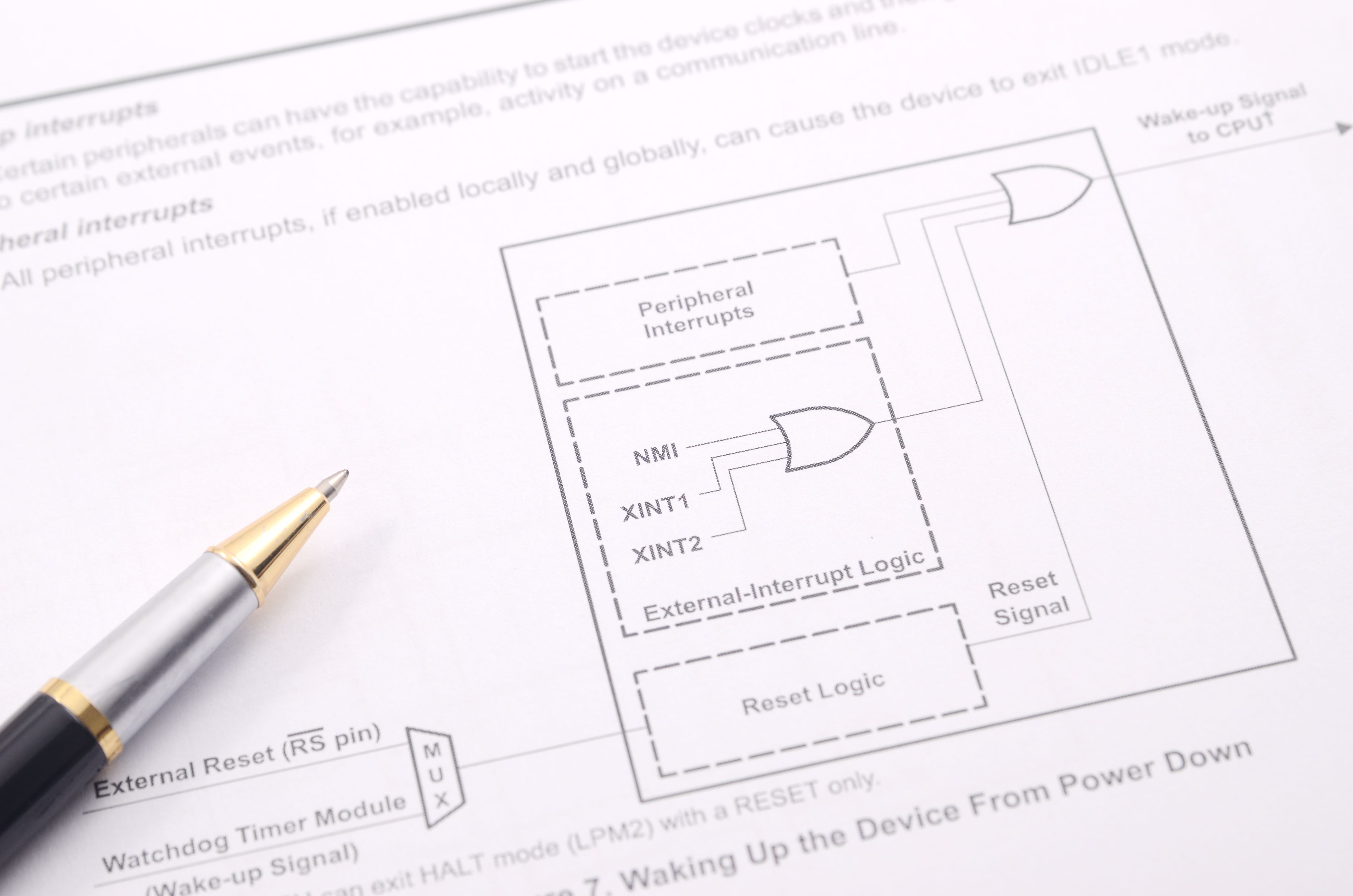
Once you have your requirements in hand, the next step is researching the specifications of potential components. This involves delving into datasheets, manufacturers' websites, and expert reviews. Pay attention to parameters like voltage, current, and temperature ratings, as these can significantly impact performance.
Ensure that the components you select meet the necessary certifications and standards for your application. This will prevent potential issues related to safety and compliance further down the line.
Evaluating Suppliers and Manufacturers
Choosing the right supplier or manufacturer is just as crucial as selecting the components themselves. Look for suppliers with a strong reputation for quality and reliability. Consider factors like delivery times, pricing, and customer support when making your decision.
It can be beneficial to establish relationships with multiple suppliers to ensure you have options in case of stock shortages or other unforeseen issues. Additionally, check for warranties and return policies to safeguard your purchases.

Assessing Cost vs. Quality
When selecting electronic components, balancing cost and quality is key. While it might be tempting to opt for the cheapest option, low-cost components often come with trade-offs in reliability and performance. Instead, focus on finding components that offer the best value for your specific needs.
Consider the component's lifecycle and total cost of ownership, including maintenance and potential replacement costs. Investing in quality components upfront can often lead to savings in the long run.
Testing and Validation
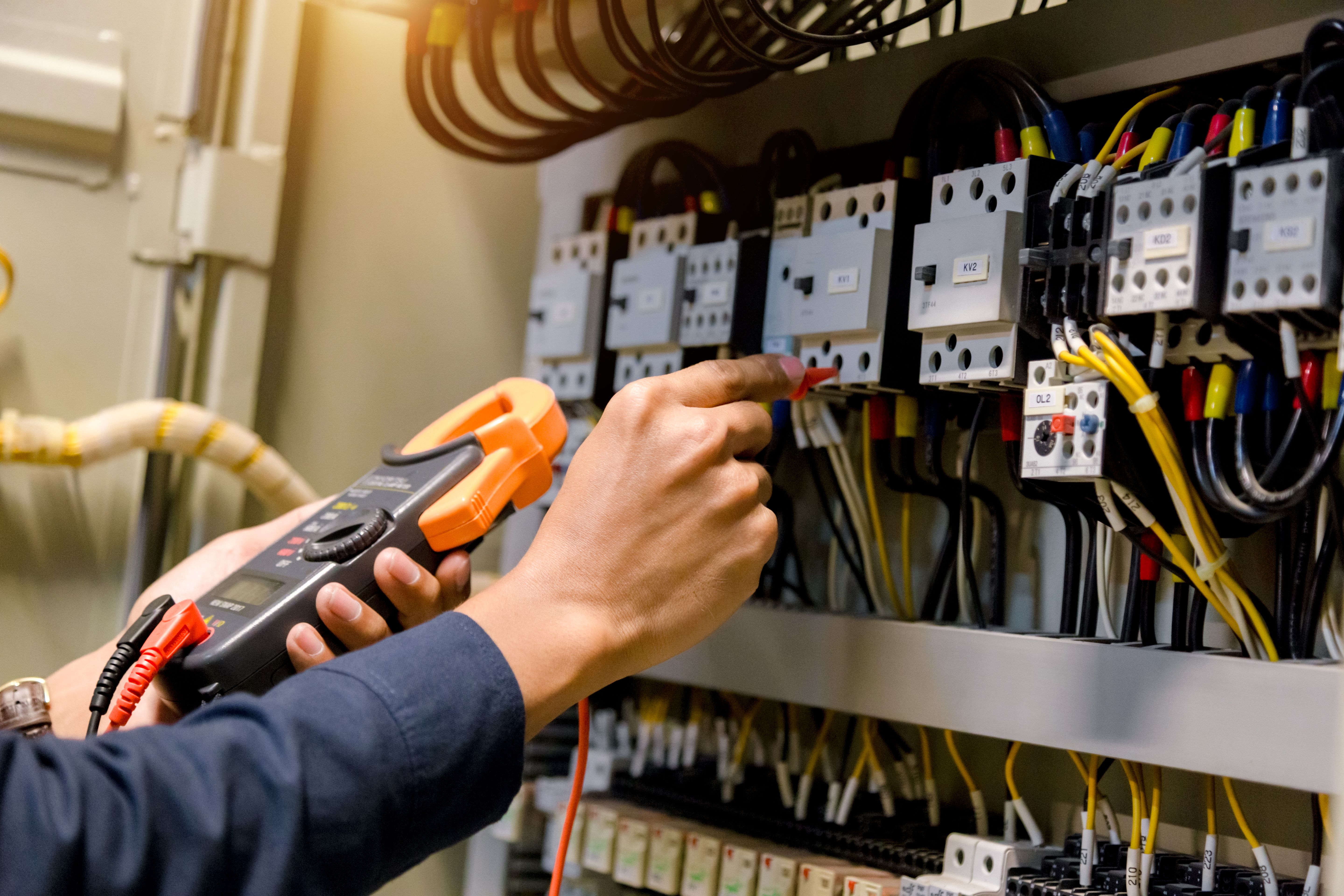
Before finalizing your purchase, it's essential to test and validate the components in a real-world environment. This step ensures that the components function as expected and are compatible with other parts of your system.
Prototyping and testing can reveal potential issues that might not be apparent during the initial selection process. Adjustments can then be made to ensure optimal performance and reliability.
Staying Informed on Industry Trends
The electronics industry is constantly evolving, with new technologies and components emerging regularly. Staying informed about the latest developments can provide insights into innovative solutions that may benefit your projects.
Engage with industry forums, subscribe to relevant publications, and attend conferences to keep your knowledge up to date. This proactive approach will help you make informed decisions and stay ahead of the competition.
Conclusion
Choosing the right electronic components requires careful consideration of your project needs, component specifications, supplier reliability, and cost-quality balance. By following these guidelines, you can ensure that your projects are built on a solid foundation of reliable and efficient components.
Remember, the time and effort invested in selecting the right components can significantly enhance the success and longevity of your projects.